
.jpeg)


YOGA DAY 2025 - JUNE 21 :22 JUNE NIE TOI

NATIONAL SPORTS DAY -29* AUG -2025

30 AUG 2025

Vidayalaya sports day 05 Dec 2025


YOGA DAY 2025 - JUNE 21 :22 JUNE NIE TOI
 BLOG FOCUS-
COUNTRY FIRST,HEALTH & HYGIENE,GRATITUDE / VALUES, NOTHING IS FREE (work Hard) ENVIRONMENT, ROAD SAFETY & TRAFFIC RULES, LANGUAGE, SCIENTIFIC TEMPERAMENT & LIFE SKILLS.
BLOG FOCUS-
COUNTRY FIRST,HEALTH & HYGIENE,GRATITUDE / VALUES, NOTHING IS FREE (work Hard) ENVIRONMENT, ROAD SAFETY & TRAFFIC RULES, LANGUAGE, SCIENTIFIC TEMPERAMENT & LIFE SKILLS.

 BLOG FOCUS-
COUNTRY FIRST,HEALTH & HYGIENE,GRATITUDE / VALUES, NOTHING IS FREE (work Hard) ENVIRONMENT, ROAD SAFETY & TRAFFIC RULES, LANGUAGE, SCIENTIFIC TEMPERAMENT & LIFE SKILLS.
BLOG FOCUS-
COUNTRY FIRST,HEALTH & HYGIENE,GRATITUDE / VALUES, NOTHING IS FREE (work Hard) ENVIRONMENT, ROAD SAFETY & TRAFFIC RULES, LANGUAGE, SCIENTIFIC TEMPERAMENT & LIFE SKILLS.
BLOG FOCUS-
COUNTRY FIRST,HEALTH & HYGIENE,GRATITUDE / VALUES, NOTHING IS FREE (work Hard) ENVIRONMENT, ROAD SAFETY & TRAFFIC RULES, LANGUAGE, SCIENTIFIC TEMPERAMENT & LIFE SKILLS.
BLOG FOCUS-
COUNTRY FIRST,HEALTH & HYGIENE,GRATITUDE / VALUES, NOTHING IS FREE (work Hard) ENVIRONMENT, ROAD SAFETY & TRAFFIC RULES, LANGUAGE, SCIENTIFIC TEMPERAMENT & LIFE SKILLS.
Physicians and surgeons
Physicians and surgeons top the list of high-paying American careers. The BLS reports a median wage of $239,200 (approximately ₹2 crore) or more annually for this group.
Subspecialties such as pediatric surgery, cardiology, orthopedic surgery, radiology, and anesthesiology can earn even higher average incomes, ranging from $300,000 to $450,810 (ranging from ₹2.5 crore to ₹3.8 crore).
Dental specialists such as orthodontists and oral and maxillofacial surgeons also rank among the highest earners. Median annual wages for dental specialists exceed $239,200 (approximately ₹2 crore), according to BLS data.
Aspiring dental professionals must complete a professional dental degree followed by advanced training in a chosen specialty. The demand for dental specialists continues to grow due to increased emphasis on preventive care and overall oral health, making it a financially and professionally rewarding career choice.
Psychiatrists are medical doctors who specialise in mental health. They earn a median annual wage of $239,200 (approximately ₹2 crore) as per the BLS. Their role includes diagnosing and treating mental illnesses and prescribing medications. With increasing focus on mental health care and greater awareness around mental wellness, the need for qualified psychiatrists continues to rise steadily.
In the technology sector, leadership positions in information systems are highly lucrative. BLS data shows that these managers earn a median annual wage of $169,510 (approximately ₹1.42 crore) as of May 2024.
As companies continue to emphasise cybersecurity, and data management, demand for these professionals keeps growing. The field offers a clear pathway for students with degrees in computer science, information technology, or related fields.
Leadership roles in finance offer high earning potential and steady demand. Financial managers earn a median salary between $134,180 and $156,100 (approximately ₹1.12 crore to ₹1.30 crore) depending on the industry. They are responsible for budgeting, financial planning, and investment management.
Students with degrees in finance, economics, or accounting can enter the field and later obtain credentials such as MBA to enhance career growth in sectors including banking, investment, or corporate finance.
BLOG FOCUS-
COUNTRY FIRST,HEALTH & HYGIENE,GRATITUDE / VALUES, NOTHING IS FREE (work Hard) ENVIRONMENT, ROAD SAFETY & TRAFFIC RULES, LANGUAGE, SCIENTIFIC TEMPERAMENT & LIFE SKILLS.
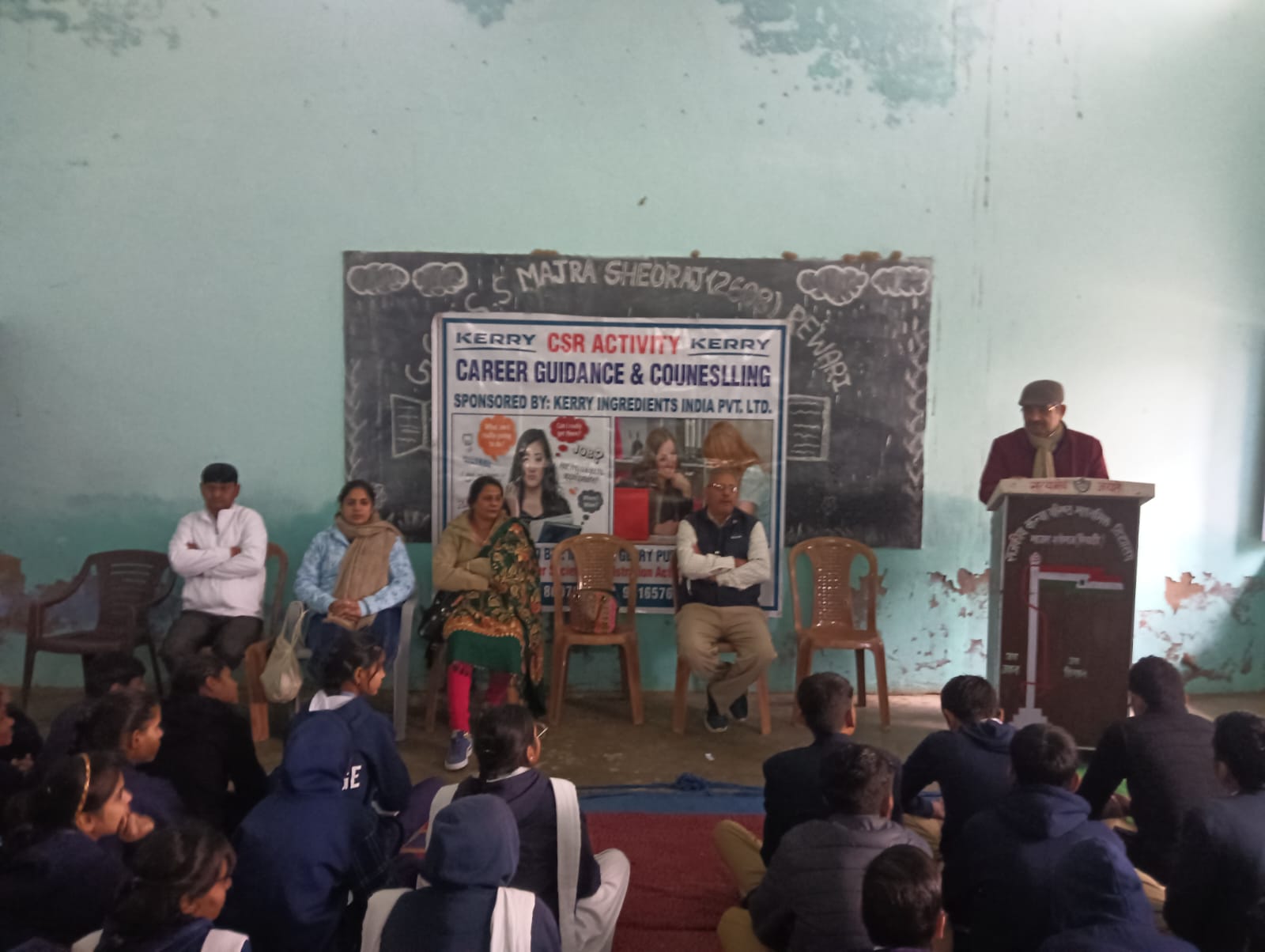
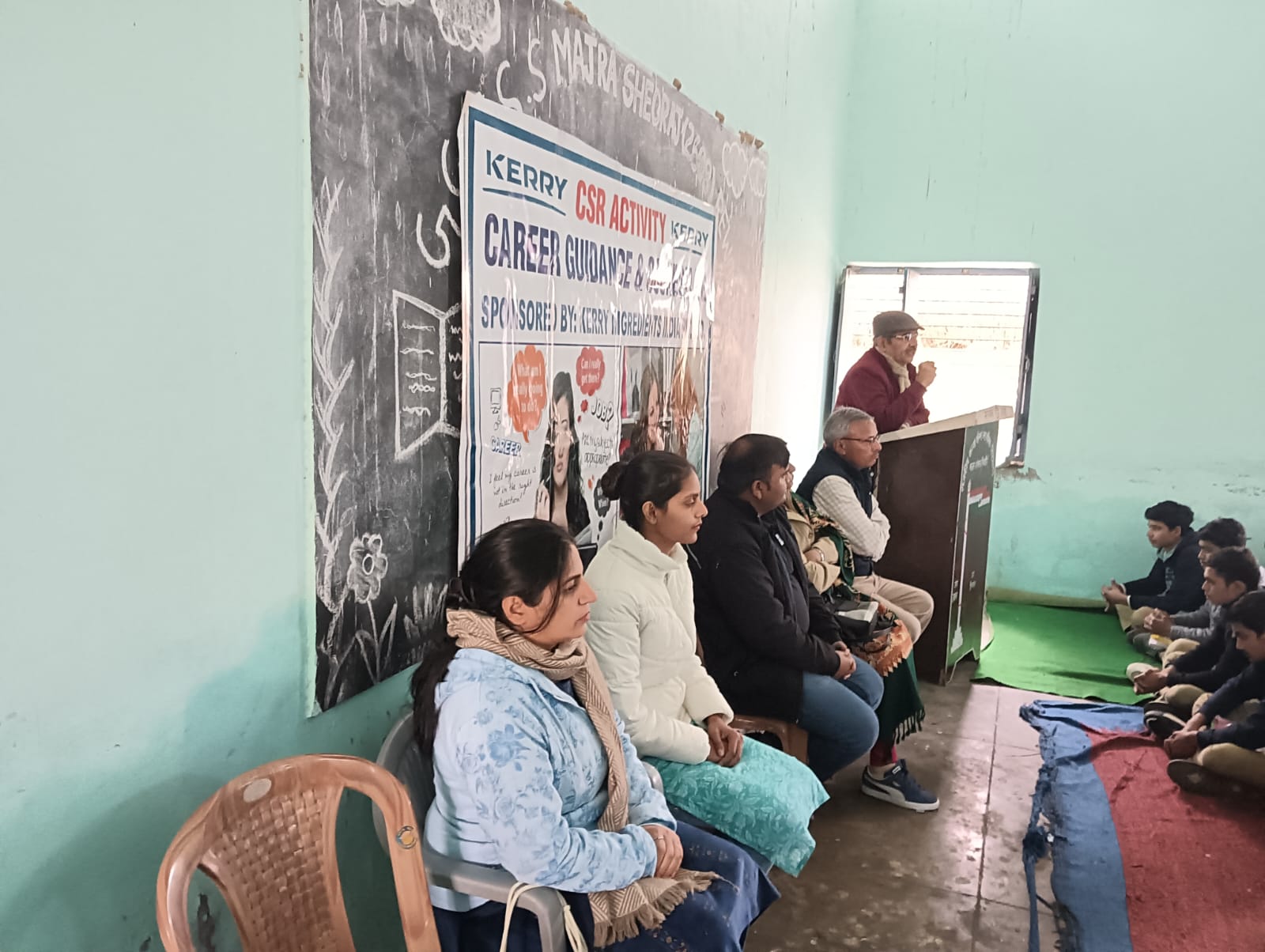
SOME GLIMPS .....


.jpeg)


.jpeg)





 BLOG FOCUS-
COUNTRY FIRST,HEALTH & HYGIENE,GRATITUDE / VALUES, NOTHING IS FREE (work Hard) ENVIRONMENT, ROAD SAFETY & TRAFFIC RULES, LANGUAGE, SCIENTIFIC TEMPERAMENT & LIFE SKILLS.
BLOG FOCUS-
COUNTRY FIRST,HEALTH & HYGIENE,GRATITUDE / VALUES, NOTHING IS FREE (work Hard) ENVIRONMENT, ROAD SAFETY & TRAFFIC RULES, LANGUAGE, SCIENTIFIC TEMPERAMENT & LIFE SKILLS.
Class IX AI Handbook 2024_26-04-24.docx
cbseacademic.nic.in/web_material/Curriculum21/publication/secondary/Class10_Facilitator_Handbook.pdf
AI_Facilitators_Handbook_VI.pdf
ARTIFICIAL INTELLIGENCE INTEGRATION ACROSS SUBJECTS FOR CBSE CURRICULUM
 BLOG FOCUS-
COUNTRY FIRST,HEALTH & HYGIENE,GRATITUDE / VALUES, NOTHING IS FREE (work Hard) ENVIRONMENT, ROAD SAFETY & TRAFFIC RULES, LANGUAGE, SCIENTIFIC TEMPERAMENT & LIFE SKILLS.
BLOG FOCUS-
COUNTRY FIRST,HEALTH & HYGIENE,GRATITUDE / VALUES, NOTHING IS FREE (work Hard) ENVIRONMENT, ROAD SAFETY & TRAFFIC RULES, LANGUAGE, SCIENTIFIC TEMPERAMENT & LIFE SKILLS.


1.PRE-KNOWLEDGE: IPR & INFRINGEMENT
A. IPR stands for Intellectual Property Rights.
It’s a fancy way of saying “legal protection for your
creations.” Whether you invent a gadget, write a book, design a logo, compose a
song, or develop software—IPR helps ensure that others can’t just copy or
profit from your work without permission.
There are
different types of IPR, each protecting different kinds of creations:
The formal legal framework for Intellectual Property Rights (IPR) in
India began during the British colonial era. While
traditional forms of protecting knowledge existed earlier, it was under British
rule that structured laws were introduced:
·
Patents: The first Indian
patent law was enacted in 1856, modeled after British law.
·
Copyrights: The Indian
Copyright Act was introduced in 1914, based on the UK
Copyright Act of 1911.
·
Trademarks: Though trademarks
were protected under common law earlier, the first comprehensive Trade
Marks Act came into force in 1940.
Post-independence, India revamped its IPR laws to align with international
standards, especially after joining the World Trade Organization (WTO)
and signing the TRIPS Agreement in 1995
India has a well-developed legal framework for protecting intellectual
property, with several key laws currently in force:
·
The Patents Act, 1970 (amended
multiple times, most recently in 2024): Governs the granting of patents for
inventions and outlines the rights of patent holders.
·
The Copyright Act, 1957:
Protects original literary, musical, dramatic, and artistic works, as well as
cinematographic films and sound recordings.
·
The Trade Marks Act, 1999:
Provides for the registration and protection of trademarks for goods and
services.
·
The Designs Act, 2000: Protects
the visual design of objects that are not purely utilitarian.
·
The Geographical Indications of Goods
(Registration and Protection) Act, 1999: Safeguards products that have
a specific geographical origin and possess qualities or a reputation due to
that origin (like Darjeeling tea or Mysore silk).
·
The Protection of Plant Varieties and
Farmers’ Rights Act, 2001: Recognizes and protects the rights of plant
breeders and farmers.
· The Semiconductor Integrated Circuits Layout-Design Act, 2000: Protects the layout designs of integrated circuits.
TOPIC: Copyright issues in the Digital Era
2. Copyright Definition:is a legal right that gives creators control over how their original works—like books, music, films, software, and artwork—are used and shared.
It protects
the expression of ideas, not the ideas themselves.
Here’s
the gist:
3.
Copyright law officially came into being with the Statute of Anne in
1710 in Great Britain. It was the first law to recognize the rights of
authors over their literary works, rather than granting control solely to
printers or publishers.
Before
that, printing was regulated through royal privileges and monopolies,
especially by groups like the Stationers' Company in England. But the Statute
of Anne marked a turning point—it aimed to encourage learning by giving authors
exclusive rights to their creations for a limited time.
4.
The Copyright Act of 1957 is the primary legislation governing
copyright law in India. Enacted on 4th June 1957, it was designed
to consolidate and modernize the laws relating to copyright, replacing earlier
colonial-era statutes. Here's a quick overview of its key features:
4A. 📘 What It
Covers :The
Act protects original works in categories such as:
4 B 🛡️ Rights
Granted: It
gives creators exclusive rights to:
4 C. ⚖️ Duration of
Protection:
4. D 🔄 Amendments
5. 📝
Step-by-Step Copyright Registration Process in India
1. Identify the Type of Work Choose
the category your work falls under—literary, musical, artistic,
cinematographic, software, etc.
2. Create an Account on the
Copyright Office Website Visit the Copyright Office of India and
register for an account to begin the application process.
3. Fill Out the Application
(Form XIV) Complete the online form with details about the work and the
applicant. You’ll also need to upload a scanned signature and a copy of the
work.
4. Pay the Fee Submit the
prescribed fee online. The amount varies depending on the type of work.
5. Submit the Application Once
submitted, you’ll receive a diary number as proof of submission.
6. Waiting Period (30 Days) There’s
a mandatory 30-day waiting period to allow for any objections.
7. Examination by the
Registrar If no objections are raised, the Registrar examines the
application. If everything checks out, the work is registered.
8. Issuance of Certificate Once
approved, you’ll receive a certificate of registration and your work will be
entered into the Register of Copyrights.
You can find a detailed guide on the IndiaFilings website or explore the official Copyright Office portal for forms and FAQs.
📤 What Happens When You Upload Content : When you upload something online (to YouTube, Instagram, a blog, etc.), you're essentially publishing it to a global audience. If that content includes copyrighted material—like someone else’s song, artwork, or video clip—you could be infringing on their rights. The digital era has transformed how we create, share, and consume content—and with that has come a whole tangle of copyright complexities. Here's a quick breakdown of key issues swirling around today:
6. ⚠️ Key Copyright Implications
7. ✅ Challenges & Best Practices
8. 🌐 What Is Creative Commons
Licensing?
Creative
Commons licenses allow creators to:
You
can explore the full range of licenses on Creative Commons' official site.
9.
✅ Copyright Dos: Here’s
a handy guide to the dos and don’ts of copyright, especially
relevant in today’s digital world:
10 ❌ Copyright Don’ts
20 Copyright Dos and Don’ts When Dealing With Protected
Works
If
you're looking to protect your creative work online, there are several powerful
tools designed to detect copyright infringement. These tools use technologies
like content fingerprinting, reverse image search, and AI-driven pattern
recognition to spot unauthorized use. Here are some standout options:
11. 🛠️ Popular Copyright Detection
Tools : These
tools are especially useful for creators, educators, businesses, and platforms
that want to stay compliant and protect their intellectual property
12. 📣 Why Public Awareness Matters
Despite
its benefits, many people still don’t understand how CC licensing works. That’s
where public awareness comes in:
In
India, organizations like Wikimedia India and the Centre for Internet &
Society are actively working to raise awareness and promote the use of Creative
Commons in education and public policy.
Conclusion :
Copyright is a legal framework that gives creators of original works—like books, music, films, software, and artwork—the exclusive right to use, reproduce, distribute, and adapt their creations for a certain period of time. It’s a form of intellectual property protection that helps ensure artists and authors can benefit from their work. Here’s a quick breakdown of what copyright typically covers:
Reproduction rights (copying the work)
Distribution rights (selling or sharing copies)
Derivative works (like adaptations or translations)
Public performance and display (like playing music or showing films)
In most countries, copyright protection begins automatically as soon as the work is created and fixed in a tangible form—no registration needed. However, registering your copyright can make it easier to enforce your rights in court. In India, the governing law is the Copyright Act of 1957, which has been amended several times to keep up with digital and international developments.
BLOG FOCUS-
COUNTRY FIRST,HEALTH & HYGIENE,GRATITUDE / VALUES, NOTHING IS FREE (work Hard) ENVIRONMENT, ROAD SAFETY & TRAFFIC RULES, LANGUAGE, SCIENTIFIC TEMPERAMENT & LIFE SKILLS.
